
EMPRESS OF INDIA WEARING THE KOHINOOR • MAHARAJA DULEEP SINGH - A MINOR WEARING THE KOHINOOR • ONE STOLEN THROUGH A PEN
Fronting website to the world - This is the heart of Khalsa Crimson Day - Taken from a child - 29 March 1849
EMPRESS OF INDIA WEARING THE KOHINOOR • MAHARAJA DULEEP SINGH - A MINOR WEARING THE KOHINOOR • ONE STOLEN THROUGH A PEN
Fronting website to the world - This is the heart of Khalsa Crimson Day - Taken from a child - 29 March 1849

RICH AND POSH • KHALSA POSH • CRIMSON VELVET • DARK MAHOGANY • ANTIQUE GOLD
LOOTING IS A SIN • KARMA IS TIMELESS • ONE I ONLY - CRIMSON

LOOTING IS A SIN • KARMA IS TIMELESS
Real boat throne of Maharaja Ranjit Singh - Humble man - Ordered yes, hardly used - Symbolic - ONE I ONLY - CRIMSON - Chair important for our work - Maharaja ordered golden chair but hardly used it, humble man.
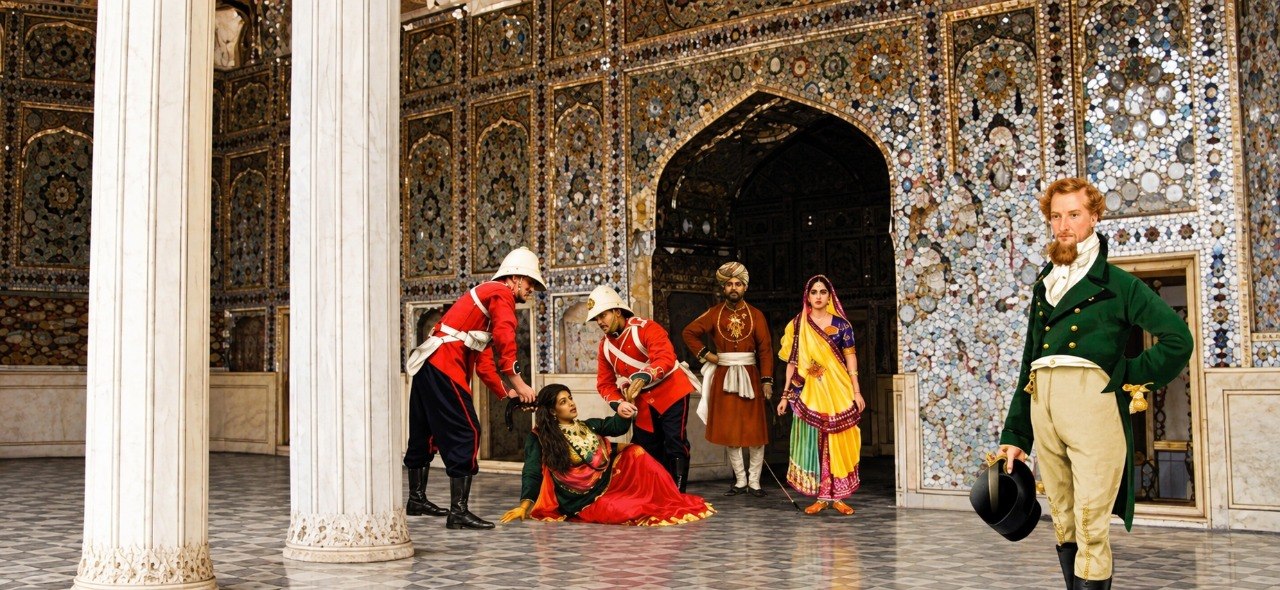
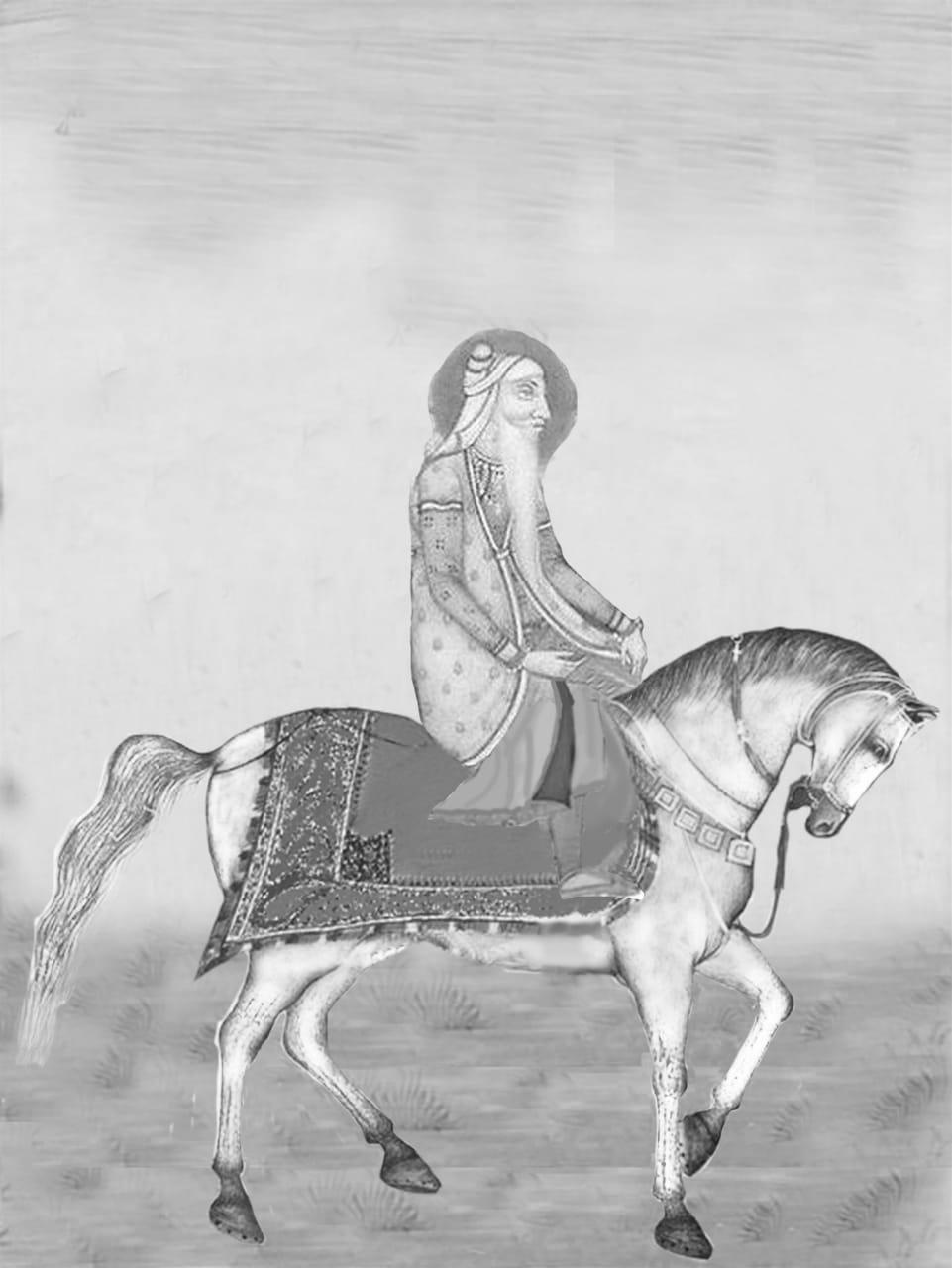
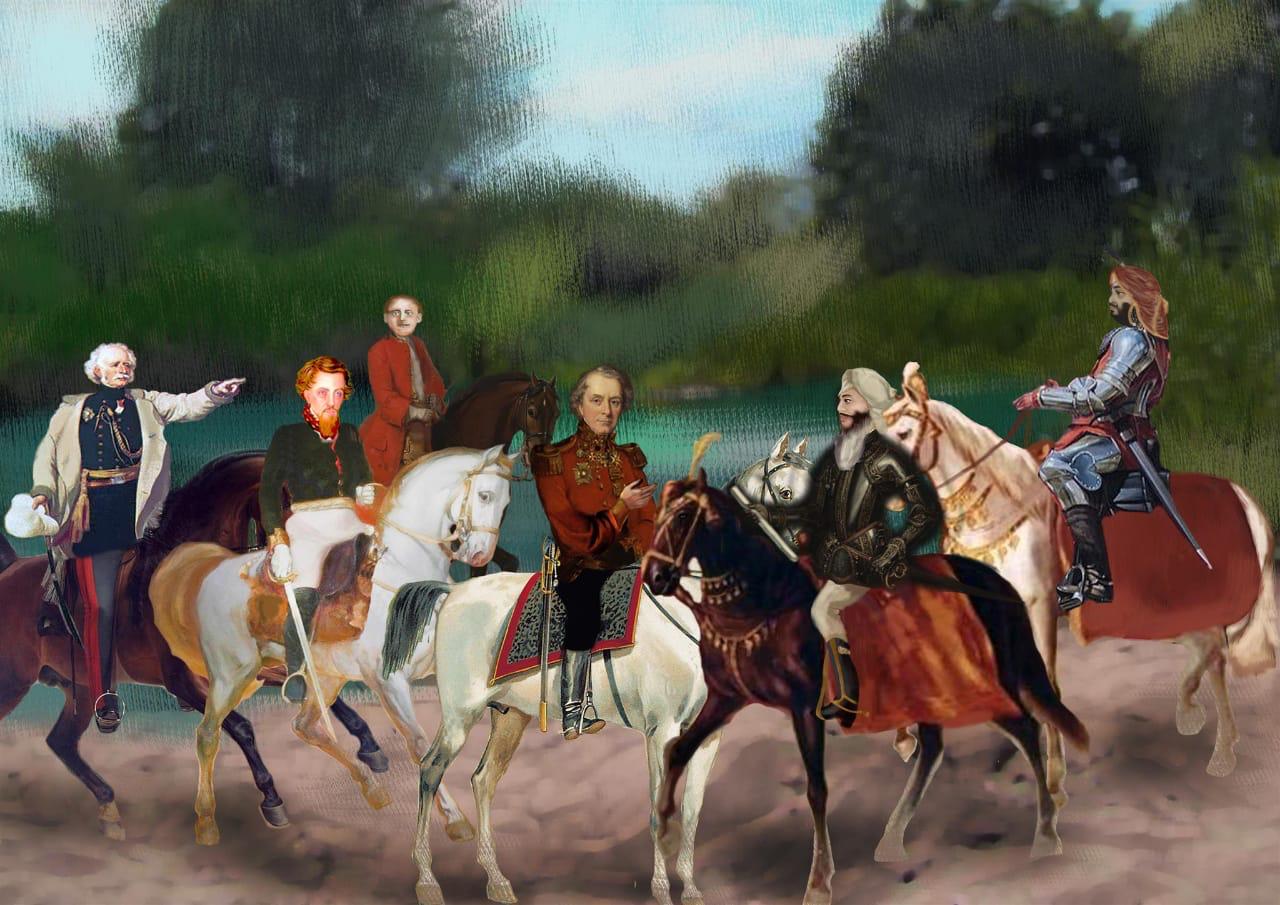
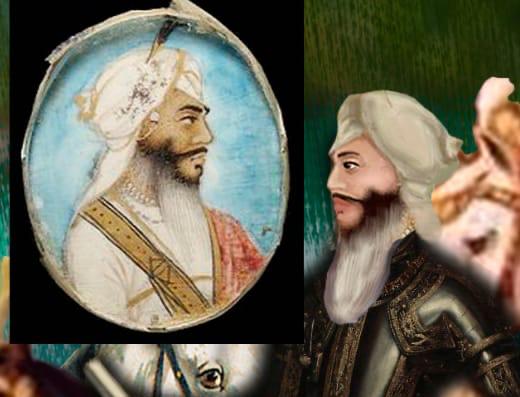
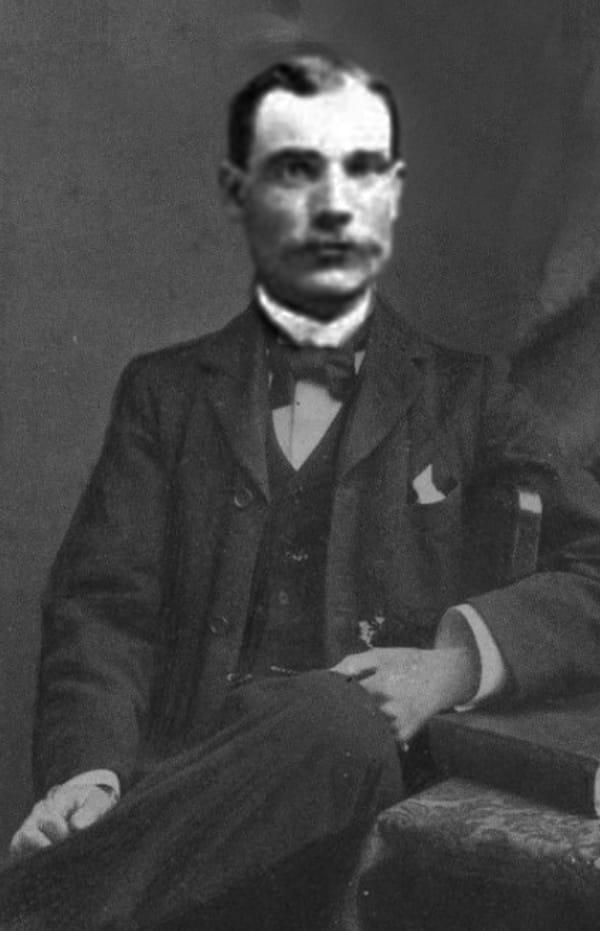
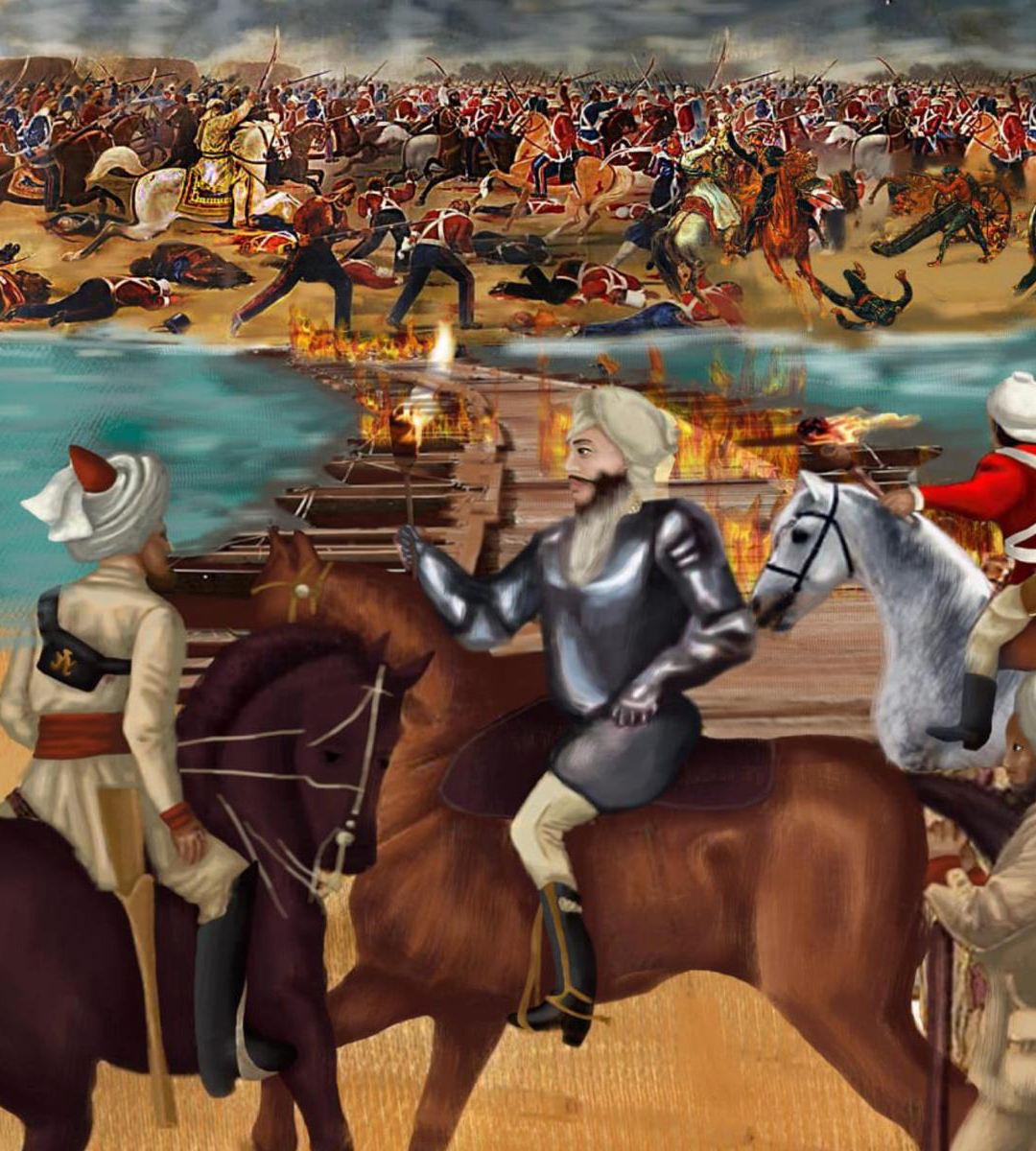
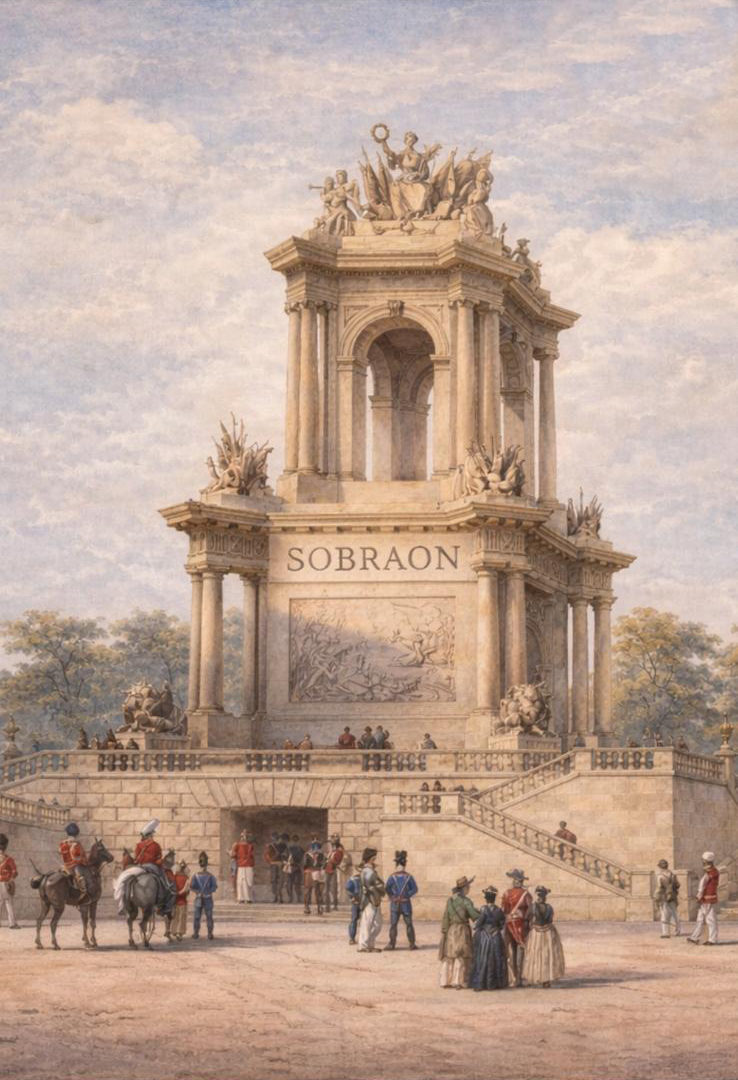
The Kohinoor - Mountain of Light - found in Kollur Mine, worn by Mughals, taken by Nadir Shah in 1739, brought to Lahore in 1813 by Maharaja Ranjit Singh - Sher-e-Punjab. Pride of Khalsa Empire.
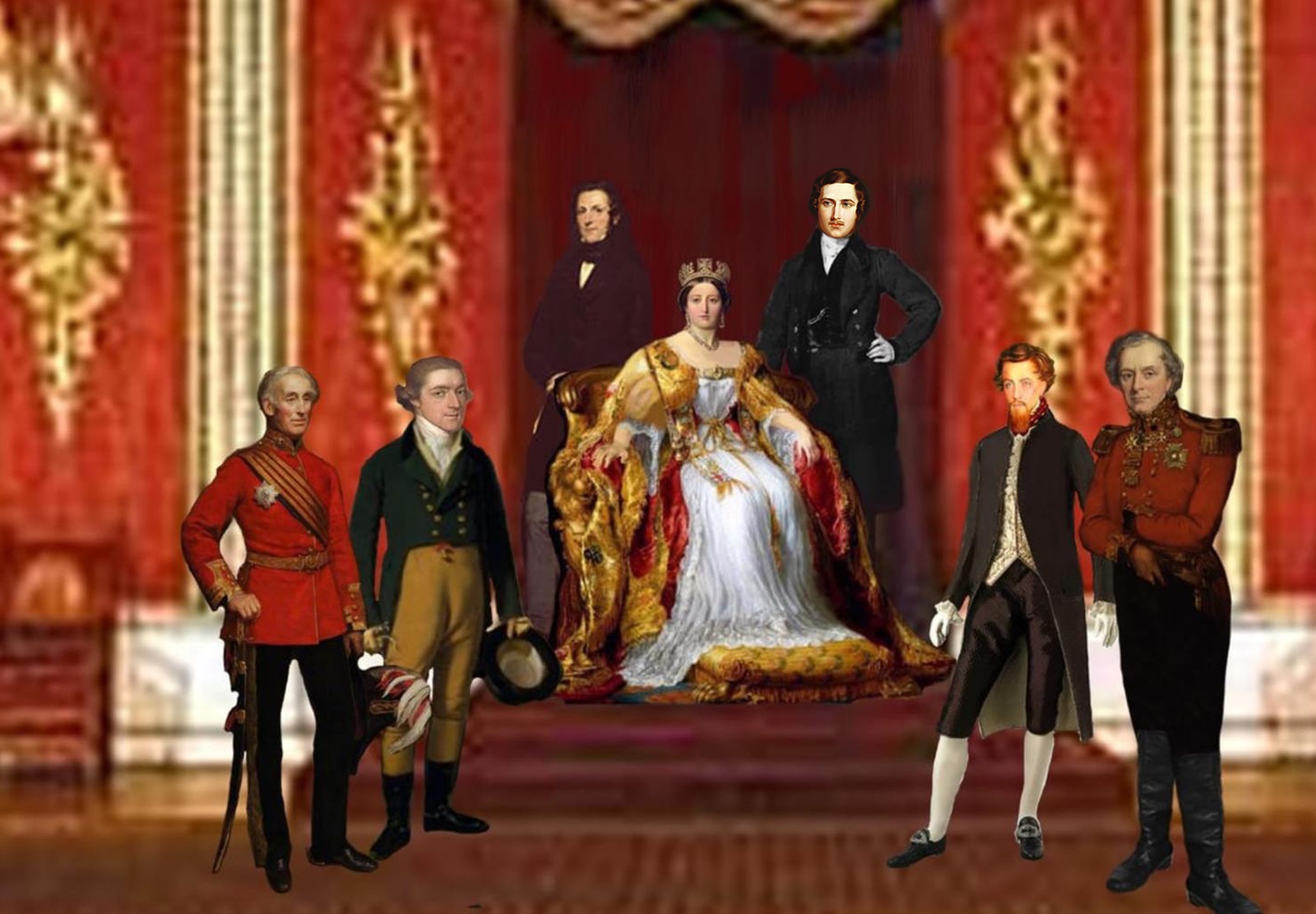
On 29 March 1849, Treaty of Lahore - Article 3 - Maharaja Duleep Singh, 10 year old son of Ranjit Singh, shall surrender the Kohinoor to Queen Victoria. Lord Dalhousie ordered it. Lord Hardinge and Sir Henry Lawrence executed it. Sir Robert Peel and Iron Duke Wellington's empire made it law. Prince Albert re-cut it in 1852. Shipped from Bombay to London - now in Tower of London.
ਕੋਹ-ਏ-ਨੂਰ - ਰੌਸ਼ਨੀ ਦਾ ਪਹਾੜ - ਕੋੱਲੂਰ ਦੀ ਖਾਨ ਵਿਚੋਂ ਮਿਲਿਆ, ਮੁਗ਼ਲਾਂ ਨੇ ਪਾਇਆ, ਨਾਦਰ ਸ਼ਾਹ 1739 ਵਿਚ ਲੈ ਗਿਆ, ਮਹਾਰਾਜਾ ਰਣਜੀਤ ਸਿੰਘ 1813 ਵਿਚ ਲਾਹੌਰ ਲਿਆਇਆ - ਸ਼ੇਰ-ਏ-ਪੰਜਾਬ - ਖਾਲਸਾ ਰਾਜ ਦੀ ਸ਼ਾਨ।
29 ਮਾਰਚ 1849, ਲਾਹੌਰ ਦੀ ਸੰਧੀ - ਧਾਰਾ 3 - ਮਹਾਰਾਜਾ ਦਲੀਪ ਸਿੰਘ, ਰਣਜੀਤ ਸਿੰਘ ਦਾ 10 ਸਾਲ ਦਾ ਪੁੱਤਰ, ਕੋਹ-ਏ-ਨੂਰ ਮਹਾਰਾਣੀ ਵਿਕਟੋਰੀਆ ਨੂੰ ਦੇਵੇਗਾ। ਲਾਰਡ ਡਲਹੌਜ਼ੀ ਨੇ ਹੁਕਮ ਦਿੱਤਾ। ਲਾਰਡ ਹਾਰਡਿੰਗ ਅਤੇ ਸਰ ਹੈਨਰੀ ਲਾਰੈਂਸ ਨੇ ਭੇਜਿਆ। ਹੁਣ ਲੰਡਨ ਦੇ ਟਾਵਰ ਵਿਚ ਹੈ।
"Yes, dastards of this world wish to shelter and hide behind myths like
'Empire created railways, hill stations, administration and postal services'
Yes indeed, empire did.
Never for Indians.
Only to facilitate empire."
Railways - to move troops and take cotton, coal, timber to ports.
Hill Stations - to escape Indian heat for the Sahib, not for the village.
Administration - to collect revenue, not to serve people.
Postal Service - to send orders, not letters of love.
We speak truth because fairness is Khalsa. We do not hate - we balance scales. Equity is important.
ਨਿਆਂ • ਤਰਾਜ਼ੂ • ਸੰਤੁਲਨ ⚖️ - ਖਾਲਸਾ ਨਿਆਂ ਚਾਹੁੰਦਾ ਹੈ - ਤਰਾਜ਼ੂ ਬਰਾਬਰ।
Marquis Lord Ramsey born Dal Hausi left a deep wound on India and Punjab through harsh policies and the theft of the great Kohinoor diamond he dishonored a civilization. The Kohinoor was never just a stone it carried the weight of empires the pride of Punjab and the soul of a nation. Lord Dalhousie annexed Punjab in 1849, named a hill station after himself - Dalhousie. Left India 1856 - his harsh policies led to 1857 uprising. Karma.
LORD DALHOUSIE - A THIEF OF A NATION'S TREASURE - KOHINOOR - MOUNTAIN OF LIGHT - PRIDE OF KHALSA
After annexing Punjab in 1849, he took the great Kohinoor Diamond without a fight. He left India in 1856. His harsh policies led to the 1857 uprising - first war of independence. Yet today Dalhousie would be turning in his grave to know India is the largest democracy in the world. From empire to democracy. Karma has a long memory. Looting is a sin. Karma is timeless.
HILL STATION NAMED AFTER HIMSELF - DALHOUSIE - KARMA - DEMOCRACY - LARGEST DEMOCRACY TODAY
Taken from a child. Peacock throne taken in war. I care about the Kohinoor because it passed through the chic Khalsa my roots the peacock throne didn't. When Nadir Shah sacked Delhi he risked his life nine months loading elephants ambushed across Punjab by Khalsa gorillas only safe after crossing the pass that's blood that's danger taken in sacking. Dalhousie didn't fight for it. He removed the regent isolated the child and sealed the fate of his hair its habitat the Punjab the land of five rivers without a battle. One was stolen through blood one was stolen through a pen. And today it sits in the Tower of London my neighbor. That's why the Kohinoor matters to me more than the Peacock Throne.
EMPRESS OF INDIA WEARING THE KOHINOOR - KOHINOOR: TAKEN FROM A CHILD
MUGHAL EMPIRE'S IMPERIAL SEAT - PEACOCK THRONE - TAKEN IN WAR
ONE STOLEN THROUGH BLOOD - ONE STOLEN THROUGH A PEN
Crimson Day is when a child said no.
After the First War, Lahore Durbar. The British — Henry Lawrence and Governor General Hardinge — Dalhousie was still sailing towards India at that time, not yet landed — they brought the 7-year-old Maharaja Duleep Singh, son of Maharaja Ranjit Singh Sher-e-Punjab, and asked him to put saffron tilak — crimson tilak — on the forehead of traitor Lal Singh to anoint him Vizier.
The child looked. And refused. He would not put crimson on a traitor. That refusal — that moment when a Khalsa child kept his soul — THAT is Crimson Day.
House lost its jewel later but kept its soul that day. On 29 March 1849, Treaty of Lahore, Article 3 — Duleep Singh, now 10, made to surrender the Kohinoor to Queen Victoria. Lord Dalhousie ordered it, Lord Hardinge and Sir Henry Lawrence executed it. House lost jewel but kept soul — because soul was kept already on Crimson Day when child said no to saffron on traitor.
Crimson is our colour. Not bright red. Deep crimson — saffron, velvet, blood, pride, sacrifice, royalty. Colour of the tilak that was NOT given to traitor. Colour of the mantle piece, the armchairs, the curtains with antique gold tassels. Colour of a warm, full, rich and posh house — Khalsa posh, not rogue, not Mayfair. Full house — not empty.
ONE I ONLY - CRIMSON. Means there is only ONE Khalsa, ONE Crimson, ONE Home — Crimson House Estate Since 1849. One house, one colour, one refusal, one memory. No second, no copy.
Crimson House Estate Since 1849 is that home. Dark mahogany fireplace, brass fender, warm hearth, mantle piece is pride and joy — photos on mantle watching over house — Queen Victoria, Lord Dalhousie, Sir Robert Peel, Iron Duke Wellington, Lord Hardinge, Sir Henry Lawrence, Prince Albert — history on the mantle, not hidden. Mahogany tables, crimson velvet armchairs, 8-chair dining table, sideboard with crystal decanters, Persian rug, brass lamps glowing warm, floor to ceiling bookshelves full, brass mantel clock ticking — full not empty, warm, safe.
The Golden Chair - Real Boat Throne. Maharaja Ranjit Singh ordered a golden chair, real boat throne, but hardly used it — humble man — symbolic. ONE chair, important for our work. Ordered yes, hardly used — that humility is Khalsa. That is why the chair matters — it is ONE I ONLY - CRIMSON.
Why we remember. We do not hate — we balance scales. Fairness is Khalsa. Equity is important. We remember Crimson Day not to open a wound, but to remember when a child kept his honour — refused saffron to traitor Lal Singh when Henry Lawrence and Hardinge asked. Dalhousie was still on the ship. That soul — that no — is still rich and posh, warm and safe today. www.KhalsaCrimsonDay.com is the home of that memory — mantle, fireplace, tables, chairs, photos, books, clock — pride and joy.
Waheguru Ji Ka Khalsa • Waheguru Ji Ki Fateh • Crimson is saffron refused to traitor • House lost jewel but kept soul • ONE I only - Crimson • Since 1849